



Please Leave Us A Message
Privacy statement: Your privacy is very important to Us. Our company promises not to disclose your personal information to any external company with out your explicit permission.
 Xi'an Heaven Abundant Mining Equipment CO.,LTD
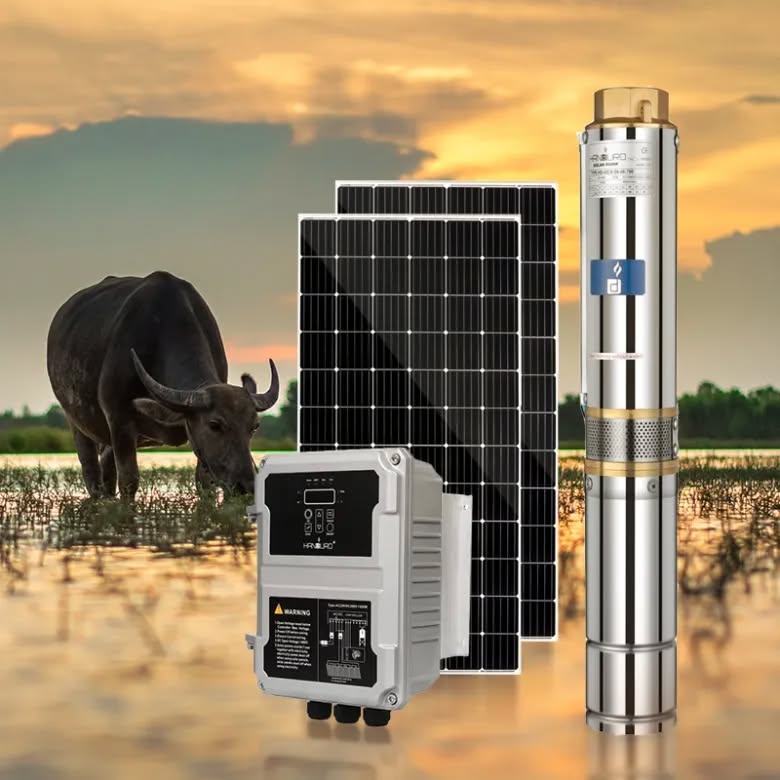
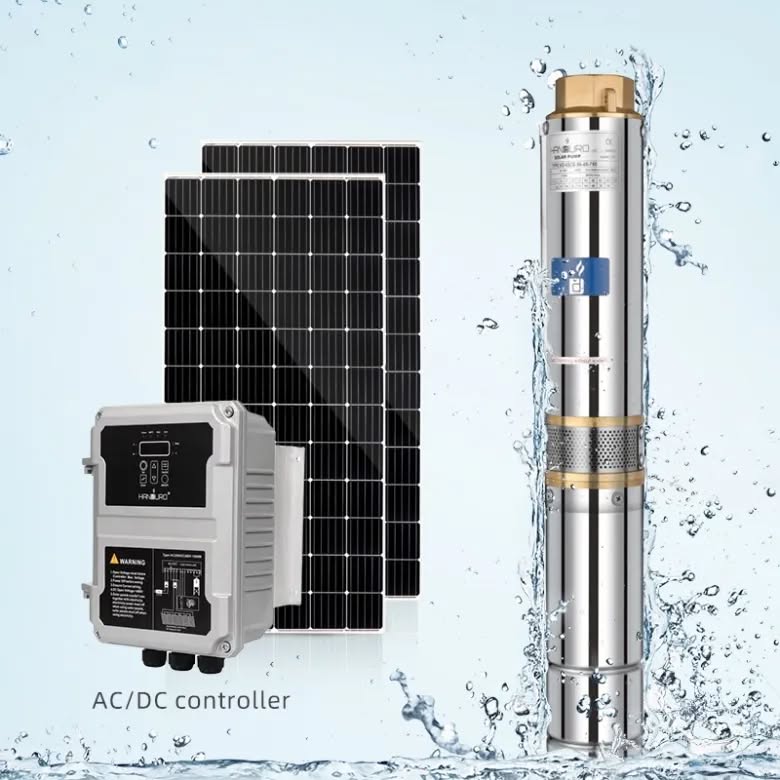
Water scarcity is a pressing issue that many of us face today. As someone who has experienced the challenges of high water bills and the constant need for efficient water usage, I understand the frustration. It’s not just about conserving water; it’s about saving money and finding sustainable solutions. This is where solar-powered pumps come into play.
Solar-powered pumps offer a unique solution to both water conservation and cost savings. By harnessing the sun’s energy, these pumps can significantly reduce your reliance on traditional electricity sources. This means lower utility bills and a smaller carbon footprint. Imagine being able to irrigate your garden or fill your pool without worrying about skyrocketing energy costs.
Let’s break down the benefits of solar-powered pumps:
Cost Efficiency: The initial investment in a solar pump may seem daunting, but the long-term savings are undeniable. With minimal maintenance and no electricity costs, you’ll quickly see a return on your investment.
Environmental Impact: Using solar energy reduces your reliance on fossil fuels. This not only helps in conserving water but also contributes to a healthier planet. Every drop saved is a step towards sustainability.
Reliability: Solar-powered pumps are designed to work in various conditions. Whether you live in a sunny area or a region with occasional cloud cover, these pumps can be tailored to meet your needs.
Versatility: From agricultural irrigation to residential water supply, solar pumps can be used in a variety of applications. This flexibility makes them an attractive option for many homeowners and farmers alike.
Easy Installation: Most solar-powered pumps come with straightforward installation processes. You won’t need to hire expensive contractors, making it an accessible option for many.
In conclusion, investing in solar-powered pumps not only addresses the urgent need for water conservation but also leads to significant financial savings. By making this switch, you’re not just improving your own situation; you’re contributing to a larger movement towards sustainability. If you’re considering ways to save both water and money, solar-powered pumps are a practical and impactful choice.
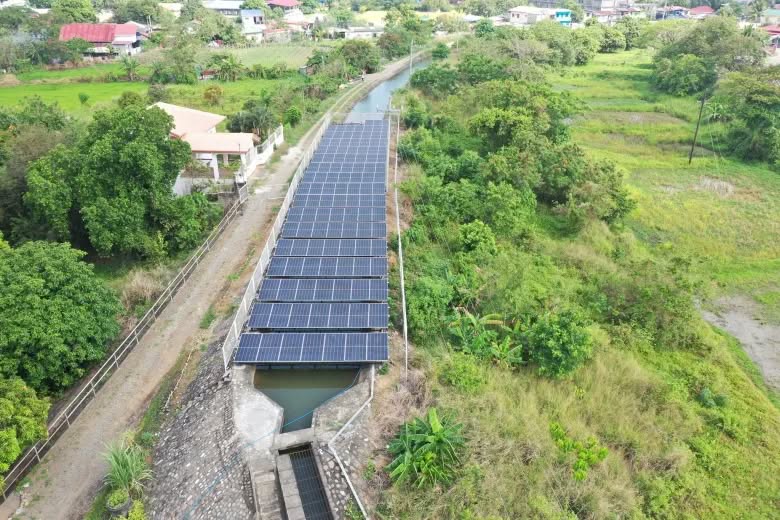
I understand that irrigation costs can be a significant burden for many homeowners and businesses, especially in regions where water is scarce. The rising expenses associated with traditional irrigation methods can lead to frustration and financial strain.
When I first encountered these challenges, I realized there had to be a better way. That's when I discovered solar solutions for irrigation. By harnessing the power of the sun, I found a way to drastically reduce my irrigation costs while promoting sustainability.
Here’s how you can implement solar solutions for your irrigation needs:
Assess Your Water Needs: Begin by evaluating how much water your landscape or crops require. Understanding your specific needs will help you choose the right system.
Explore Solar Pump Options: Research various solar-powered pumps available on the market. These pumps can operate efficiently without relying on traditional electricity, making them a cost-effective choice.
Installation: Once you select a pump, consider hiring a professional for installation. A proper setup ensures the system runs smoothly and efficiently.
Monitor Performance: After installation, keep an eye on the system's performance. Regular checks will help you identify any issues early and maintain optimal efficiency.
Calculate Savings: Track your water bills and compare them to previous costs. You’ll likely notice significant savings that can be reinvested in other areas of your property.
By making the switch to solar solutions, I not only reduced my irrigation costs but also contributed to a more sustainable environment. The initial investment in solar technology pays off in the long run, both financially and environmentally.
In conclusion, embracing solar solutions for irrigation can be a game-changer. Not only does it alleviate financial pressure, but it also promotes a greener approach to water management. If you're facing high irrigation costs, consider exploring solar options today.
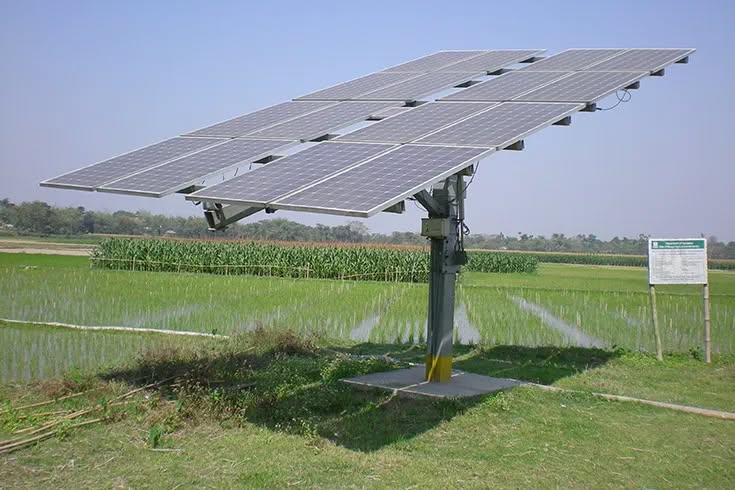
Are you feeling the pinch of rising water bills? I understand how frustrating it can be to see those numbers climb month after month. Many households are grappling with this issue, and it can feel overwhelming. But what if I told you that there's a way to not only reduce your water bills but also make a positive impact on the environment?
Switching to solar energy is a powerful solution that can lead to substantial savings. Here’s how it works:
Assess Your Current Water Usage: Start by evaluating your water consumption patterns. Identify areas where you can reduce usage, such as fixing leaks or using water-efficient appliances.
Explore Solar Water Heating Options: Consider installing a solar water heating system. These systems use the sun's energy to heat water, significantly lowering your reliance on traditional energy sources.
Calculate Potential Savings: Look into the costs associated with solar installations and the potential savings on your water bill. Many homeowners find that the initial investment pays off quickly through reduced utility costs.
Research Incentives and Rebates: Don’t forget to check for local or federal incentives for solar installations. These can help offset costs and make the transition more affordable.
Consult with Professionals: Reach out to solar energy experts to discuss your options. They can provide tailored advice based on your specific needs and help you navigate the installation process.
By making this shift, I have seen firsthand how families can drastically cut their water bills while contributing to a more sustainable future. It’s a win-win situation that benefits both your wallet and the planet.
In conclusion, if your water bill is skyrocketing, consider going solar. By taking these steps, you can take control of your expenses and enjoy the peace of mind that comes with sustainable living. Let’s make a change for the better together!
I often hear from farmers and landowners about the challenges they face with traditional irrigation systems. The rising costs of energy, water scarcity, and the inefficiencies of conventional pumps can make managing irrigation a daunting task. I understand how these issues can lead to frustration and decreased productivity.
This is where solar pumps come into play. They offer a sustainable and cost-effective solution to revolutionize irrigation efficiency. By harnessing the power of the sun, these pumps not only reduce energy costs but also provide a reliable source of water for crops, even in remote locations.
To implement solar pumps effectively, here are the steps I recommend:
Assess Your Needs: Evaluate the size of your land and the water requirements for your crops. This will help determine the capacity of the solar pump you need.
Choose the Right System: There are various types of solar pumps available, including submersible and surface pumps. Selecting the right one depends on your specific irrigation needs and the depth of your water source.
Installation: Proper installation is crucial for optimal performance. I suggest hiring professionals who specialize in solar irrigation systems to ensure everything is set up correctly.
Maintenance: Regular maintenance checks can prolong the life of your solar pump. Clean the solar panels, check for any leaks, and monitor the system's performance to ensure it operates efficiently.
Monitor Performance: Keep track of water usage and crop yields after installing the solar pump. This data will help you understand the benefits and make any necessary adjustments.
By transitioning to solar pumps, I’ve seen many farmers significantly reduce their irrigation costs while improving crop yields. The initial investment may seem daunting, but the long-term savings and environmental benefits make it worthwhile.
In summary, solar pumps not only address the pressing issues of energy costs and water scarcity but also empower farmers to manage their irrigation more effectively. Adopting this technology can lead to a more sustainable and productive farming future.
Interested in learning more about industry trends and solutions? Contact Lucy Li: Lucy@tydrillbits.com/WhatsApp +8615389082037.
Smith J 2021 The Importance of Water Conservation in Modern Society
Johnson L 2022 Solar Energy Solutions for Sustainable Irrigation Practices
Brown A 2020 Cost-Effective Water Management Strategies for Homeowners
Davis R 2023 Innovations in Solar-Powered Water Pumps for Agriculture
Wilson T 2021 Reducing Utility Bills with Solar Technology
Taylor M 2022 The Future of Irrigation: Embracing Renewable Energy Solutions
Sure! Here’s the content in English: Solar water pump technology presents a sustainable and cost-effective solution for irrigation in India, where 65% of the population relies on agriculture, largely dependent on unpredictable monsoon rains. Traditional irrigation methods using diesel and electric pumps face challenges such as high operating
Solar-powered irrigation systems are transforming the agricultural landscape by providing farmers with sustainable, cost-effective solutions that significantly reduce dependency on fossil fuels. These systems, composed of solar panels, water pumps, and control mechanisms, can be classified into submersible and surface pumps
Investing in solar-powered pumps for irrigation presents numerous advantages, chief among them the potential to cut water costs by up to 50%. These innovative pumps utilize renewable solar energy, significantly diminishing dependence on conventional power sources and reducing overall operational expenses. By harnessing solar power,
Farmers across the US are increasingly adopting solar irrigation solutions, inspired by Futurepump's mission to provide sustainable alternatives to fuel-powered generators for smallholder farmers. Initially focused on regions like Western Kenya, Futurepump has expanded its reach to Africa, Asia, and Oceania, targeting the 500 million
Email to this supplier
About Us
Products
Contact Us

Privacy statement: Your privacy is very important to Us. Our company promises not to disclose your personal information to any external company with out your explicit permission.
Fill in more information so that we can get in touch with you faster
Privacy statement: Your privacy is very important to Us. Our company promises not to disclose your personal information to any external company with out your explicit permission.