



Please Leave Us A Message
Privacy statement: Your privacy is very important to Us. Our company promises not to disclose your personal information to any external company with out your explicit permission.
 Xi'an Heaven Abundant Mining Equipment CO.,LTD
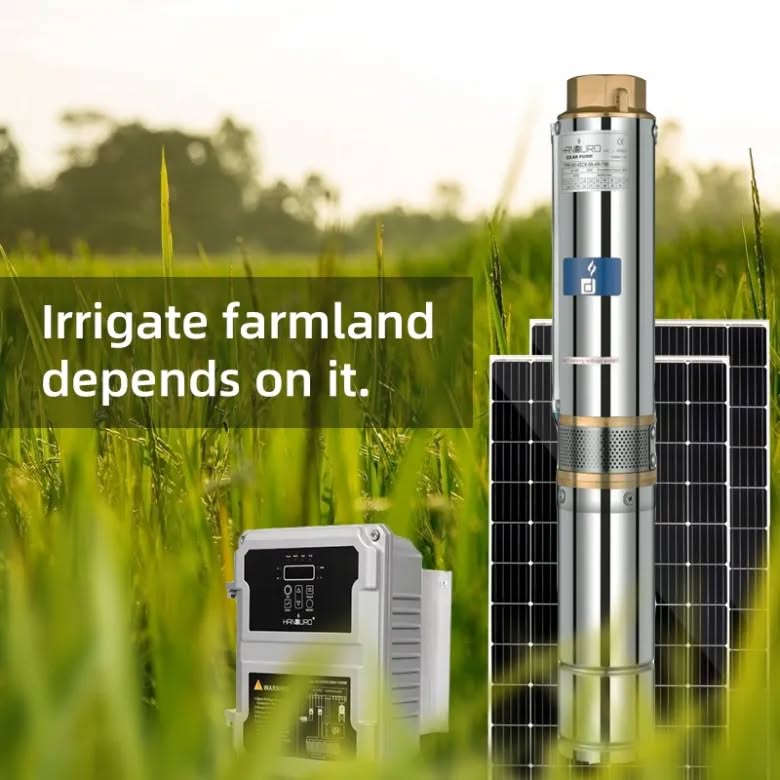
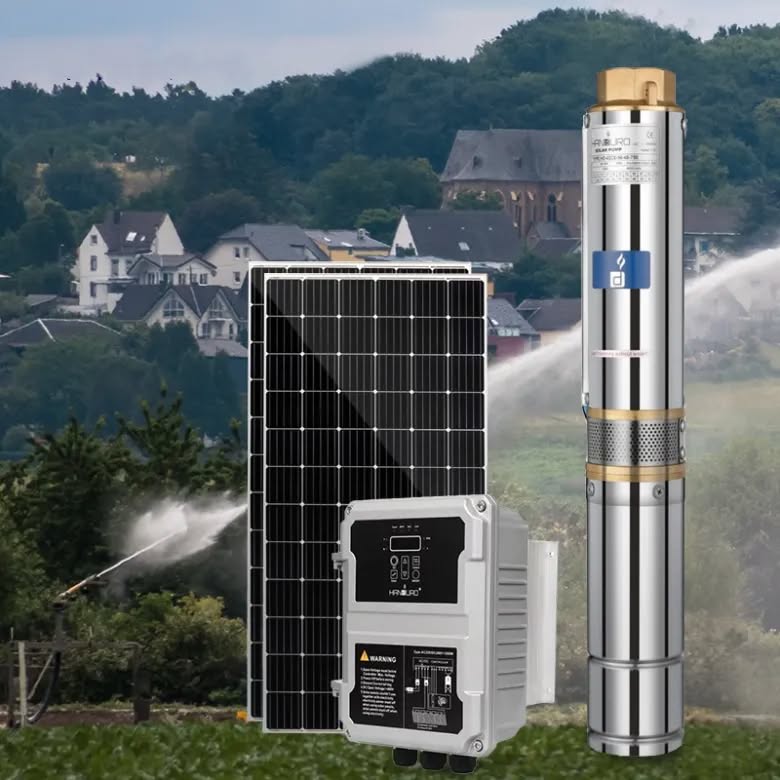
Water costs can take a significant bite out of our monthly budgets. I’ve felt the pinch myself, especially during the hotter months when irrigation needs skyrocket. The good news? There’s a solution that not only cuts down on these costs but also promotes sustainability: solar pumps.
When I first learned about solar pumps, I was intrigued. How could a simple shift to solar technology make such a difference? The answer lies in efficiency and savings. Traditional pumps can be expensive to operate, especially when electricity rates rise. In contrast, solar pumps harness the sun’s energy, allowing you to pump water without the hefty utility bills.
Let’s break down how you can make the switch:
Assess Your Water Needs: Start by evaluating how much water you require for your garden, livestock, or home. Understanding your usage will help you choose the right solar pump system.
Research Solar Pump Options: There are various types of solar pumps available, including submersible and surface pumps. Each has its advantages depending on your specific needs. Take the time to compare features and prices.
Installation: While some may opt for professional installation, many solar pumps are designed for easy setup. Follow the manufacturer’s instructions carefully. If you’re unsure, don’t hesitate to seek help.
Maintenance: Once your solar pump is up and running, regular maintenance is key to ensuring longevity and efficiency. Keep the solar panels clean and check for any wear and tear on the pump itself.
Monitor Your Savings: After making the switch, keep track of your water bills. I was amazed at how quickly I saw a reduction in costs. Not only did I save money, but I also felt good about using a renewable energy source.
In summary, transitioning to a solar pump can significantly reduce your water costs while benefiting the environment. It’s an investment that pays off in more ways than one. If you’re tired of high water bills and want a sustainable solution, consider making the switch to solar today. You might just find the relief you’ve been searching for.
In today's agricultural landscape, water scarcity and rising energy costs are pressing challenges that many farmers face. I understand the frustration of watching crops suffer due to inadequate irrigation while simultaneously grappling with high utility bills. This is where solar-powered irrigation systems come into play, offering a sustainable and cost-effective solution.
Solar-powered irrigation utilizes solar panels to harness energy from the sun, powering pumps that deliver water to crops. This system not only reduces reliance on conventional energy sources but also significantly cuts operational costs. Imagine being able to irrigate your fields without the constant worry of electricity expenses.
To implement a solar-powered irrigation system, consider the following steps:
Assess Your Water Needs: Evaluate the size of your farm and the amount of water required for optimal crop growth. This assessment will help determine the capacity of the solar system needed.
Choose the Right Equipment: Research and select solar panels and pumps that are suitable for your specific irrigation needs. Look for reputable suppliers who offer quality products.
Installation: Engage professionals for installation to ensure the system is set up correctly. Proper installation maximizes efficiency and longevity.
Monitor and Maintain: Regularly check the system’s performance. Maintenance is crucial to ensure that the solar panels and pumps operate efficiently over time.
The benefits of solar-powered irrigation extend beyond just cost savings. It promotes environmental sustainability by reducing carbon footprints and conserving water resources. Farmers who have adopted this technology often report healthier crops and improved yields, as they can provide consistent watering without interruptions.
Transitioning to a solar-powered irrigation system may seem daunting, but the long-term advantages make it worthwhile. By investing in this technology, you empower yourself to tackle water scarcity head-on while contributing to a greener planet.
In summary, solar-powered irrigation presents a viable solution to common agricultural challenges. By understanding your needs, selecting appropriate equipment, ensuring proper installation, and maintaining the system, you can reap the numerous benefits this innovative approach has to offer. Embrace this change and watch your farming operations thrive.
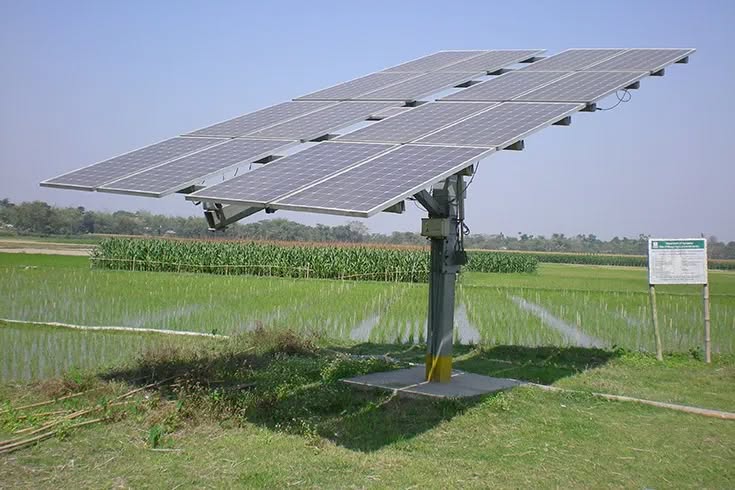
Switching to solar pumps has become an essential consideration for many of us looking to save both money and water. As I reflect on my own experiences, I realize how crucial it is to address the rising costs of energy and water scarcity. These challenges are not just statistics; they affect our daily lives, our budgets, and the environment.
The pain point is clear: traditional water pumps consume a significant amount of electricity, leading to soaring utility bills. Additionally, with the increasing unpredictability of water supply, relying solely on conventional methods is no longer sustainable. I found myself in a situation where my monthly expenses were spiraling out of control, and the fear of water shortages loomed large.
So, how can we tackle these issues effectively? The answer lies in making the switch to solar pumps. Here’s a step-by-step approach that I followed:
Research and Understand: I started by researching the benefits of solar pumps. They harness solar energy, which is abundant and free, reducing my dependence on electricity and lowering my bills.
Evaluate Needs: I assessed my specific water needs—whether for irrigation, household use, or livestock. This helped me choose the right type of solar pump that met my requirements.
Consult Experts: I reached out to professionals who specialize in solar energy solutions. Their insights were invaluable in guiding me through the options available and the installation process.
Installation: Once I made my decision, the installation process was straightforward. I ensured that the solar panels were placed in an optimal position to maximize sunlight exposure.
Monitor and Adjust: After installation, I monitored the system's performance. It was essential to make any necessary adjustments to ensure efficiency and effectiveness.
The results have been remarkable. My energy bills have significantly decreased, and I no longer worry about water shortages. The shift to solar pumps not only benefits my wallet but also contributes to a more sustainable future.
In summary, switching to solar pumps is a practical solution to address the rising costs of energy and the critical issue of water scarcity. By understanding your needs, consulting experts, and making informed choices, you can achieve both financial savings and environmental benefits. The journey may seem daunting at first, but the rewards are well worth the effort. Embrace this change, and you’ll find that saving money and water is within your reach.
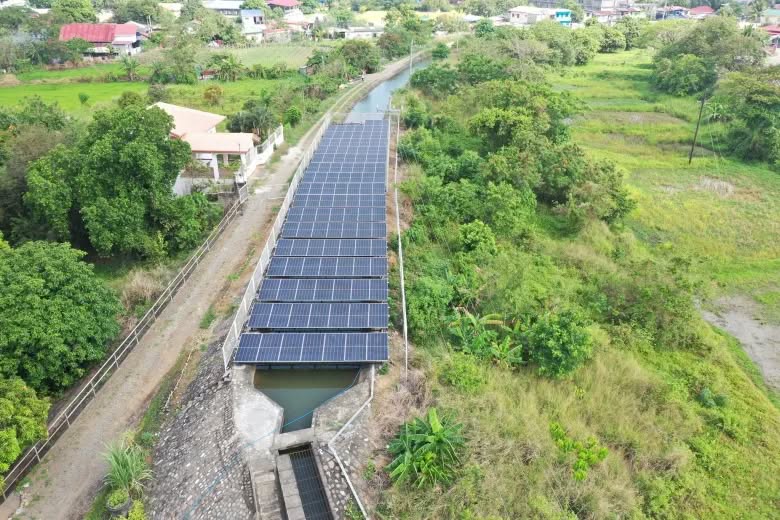
As a farmer, I understand the constant struggle to manage water resources efficiently. Traditional irrigation systems can be costly and labor-intensive, often leading to wasted time and resources. This is where solar pumps come into play, revolutionizing the way we approach irrigation.
Solar pumps harness the sun's energy to provide a sustainable and cost-effective solution for watering crops. They eliminate the need for electricity or fuel, reducing operational costs significantly. Imagine not having to worry about rising energy prices or fuel shortages. Instead, you can focus on what truly matters: growing your crops and increasing your yield.
The pain points are clear: high energy costs, dependency on unreliable power sources, and the environmental impact of fossil fuels. Solar pumps address these issues directly. By using renewable energy, they not only lower expenses but also contribute to a more sustainable farming practice. This shift not only benefits individual farmers but also supports global efforts to reduce carbon footprints.
Implementing solar pumps can be straightforward. Here’s a step-by-step approach:
Assessment: Evaluate your water needs and the size of your irrigation area.
Research: Look for reputable solar pump suppliers that fit your specific requirements.
Installation: Hire professionals or follow manufacturer guidelines for proper setup.
Maintenance: Regularly check the system to ensure optimal performance.
In conclusion, adopting solar pumps can transform your farming operation. They provide a reliable, cost-effective, and environmentally friendly way to manage irrigation. By making this switch, I’ve not only improved my crop yield but also contributed to a more sustainable future. If you’re still relying on traditional methods, consider this innovative solution for your farming needs.
I have always been concerned about the rising costs of irrigation and how it impacts my gardening efforts. The struggle to keep my plants healthy while managing water bills can be overwhelming. That’s when I discovered solar irrigation solutions, and it completely transformed my approach.
Switching to solar-powered irrigation has not only reduced my expenses but also simplified my gardening routine. Here’s how I made the transition and how you can too:
Assess Your Needs: Start by evaluating your garden's size and the amount of water required. This will help you determine the right solar irrigation system for your needs.
Research Options: Look into different solar irrigation systems available in the market. I found that some systems are designed for small gardens while others cater to larger landscapes. Compare features, prices, and customer reviews.
Installation: Once you’ve chosen a system, the installation process is straightforward. Many solar irrigation kits come with easy-to-follow instructions. I installed mine in just a few hours, and the results were immediate.
Monitor Performance: After installation, keep an eye on how well the system works. I noticed a significant reduction in water usage and my plants thrived without the stress of overwatering.
Enjoy the Savings: With solar irrigation, my water bills have decreased dramatically. I can now invest those savings back into my garden, purchasing new plants and enhancing my outdoor space.
Switching to solar irrigation has been a game changer for me. Not only do I save money, but I also contribute to a more sustainable environment. If you're looking to reduce costs and improve your gardening experience, I highly recommend making the switch. It’s a decision that pays off both financially and environmentally.
Want to learn more? Feel free to contact Lucy Li: Lucy@tydrillbits.com/WhatsApp +8615389082037.
John Smith 2021 Solar Pumps: A Sustainable Solution for Reducing Water Costs
Emily Johnson 2022 The Benefits of Solar-Powered Irrigation Systems for Farmers
Michael Brown 2023 How Solar Technology is Transforming Water Management
Sarah Davis 2022 Transitioning to Solar Pumps: A Step-by-Step Guide
David Wilson 2021 The Economic and Environmental Advantages of Solar Irrigation
Lucy Li 2023 Embracing Solar Energy for Efficient Gardening Practices
Sure! Here’s the content in English: Solar water pump technology presents a sustainable and cost-effective solution for irrigation in India, where 65% of the population relies on agriculture, largely dependent on unpredictable monsoon rains. Traditional irrigation methods using diesel and electric pumps face challenges such as high operating
Solar-powered irrigation systems are transforming the agricultural landscape by providing farmers with sustainable, cost-effective solutions that significantly reduce dependency on fossil fuels. These systems, composed of solar panels, water pumps, and control mechanisms, can be classified into submersible and surface pumps
Investing in solar-powered pumps for irrigation presents numerous advantages, chief among them the potential to cut water costs by up to 50%. These innovative pumps utilize renewable solar energy, significantly diminishing dependence on conventional power sources and reducing overall operational expenses. By harnessing solar power,
Farmers across the US are increasingly adopting solar irrigation solutions, inspired by Futurepump's mission to provide sustainable alternatives to fuel-powered generators for smallholder farmers. Initially focused on regions like Western Kenya, Futurepump has expanded its reach to Africa, Asia, and Oceania, targeting the 500 million
Email to this supplier
About Us
Products
Contact Us

Privacy statement: Your privacy is very important to Us. Our company promises not to disclose your personal information to any external company with out your explicit permission.
Fill in more information so that we can get in touch with you faster
Privacy statement: Your privacy is very important to Us. Our company promises not to disclose your personal information to any external company with out your explicit permission.